
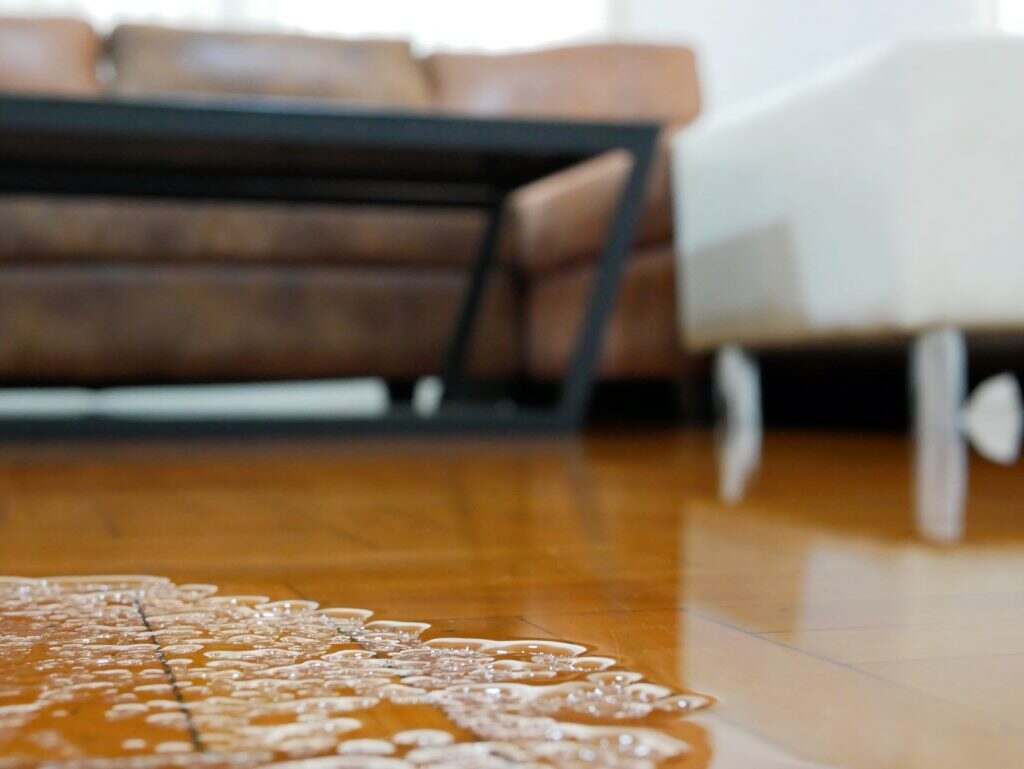
Water damage can occur unexpectedly, from storms, leaks, or plumbing issues, and can quickly compromise a home’s safety and structure. Water damage restoration is a critical process that addresses these issues promptly, preventing long-term problems such as mold growth, structural decay, and compromised indoor air quality. Understanding the key restoration techniques helps homeowners act effectively in emergencies. For professional guidance and resources, visit Advanced Cleaning Services.
Identifying the Extent of Water Damage
The first step in any water damage restoration process is assessing the affected areas. Moisture can penetrate walls, floors, and ceilings, often remaining hidden. Homeowners should look for:
-
Warped or discolored flooring
-
Bubbling paint or wallpaper
-
Musty odors
-
Persistent dampness in carpets or furniture
Accurate assessment ensures the proper restoration techniques are applied and reduces the risk of recurring damage. For a detailed understanding of professional restoration standards, refer to IICRC S500 Standard, which outlines industry best practices for water damage restoration.
Key Water Damage Restoration Techniques
-
Water Extraction: Removing standing water quickly prevents further structural damage and inhibits mold growth.
-
Drying and Dehumidification: Industrial-grade fans and dehumidifiers dry out affected areas efficiently.
-
Cleaning and Sanitizing: Surfaces exposed to water are cleaned and disinfected to remove contaminants and prevent bacteria and mold.
-
Structural Repairs: Damaged walls, floors, or furniture are repaired or replaced to restore the home’s integrity.
-
Mold Remediation: If mold has begun to develop, specialized techniques ensure safe removal and prevent future outbreaks.
-
Preventive Measures: Understanding water damage categories helps in applying the correct restoration method. Learn more about water damage restoration categories to prevent long-term issues.
-
Professional Guidance: Homeowners often benefit from consulting a professional. For detailed techniques, visit Water Damage Restoration.
Preventing Long-Term Damage
After restoration, homeowners should take preventative measures to minimize future water damage:
-
Inspect plumbing regularly for leaks
-
Maintain proper drainage around the property
-
Install sump pumps in basements prone to flooding
-
Monitor indoor humidity levels
Choosing Professional Water Damage Restoration Experts
Water damage can escalate quickly, making professional intervention essential. A certified water damage restoration specialist has the expertise and equipment to manage every stage of restoration efficiently, from water extraction to mold prevention. Professionals follow industry standards and can provide guidance for preventing future damage.
Conclusion & Next Steps
Understanding essential water damage restoration techniques empowers homeowners to respond effectively to water emergencies, reduce risks, and maintain a safe and healthy home environment.
For comprehensive restoration solutions, visit Advanced Cleaning Services. To discuss your specific needs, schedule a consultation, or learn more about our professional techniques, please Contact Us.
