Soft washing your home exterior in Tennessee is one of the most effective ways to protect your property. It removes mold, algae, mildew, and years of grime buildup safely. However, many homeowners do not fully understand what soft washing is, how it differs from pressure washing, or when each method is appropriate.
At Advanced Cleaning Service, we provide professional soft washing and power washing services across the Upper Cumberland. In this complete guide, we explain everything Tennessee homeowners need to know. We cover what soft washing is, what it cleans best, when to use it, and what to expect from a professional service.
What Is Soft Washing?
Soft washing is an exterior cleaning method that uses low water pressure combined with specialized cleaning solutions. The cleaning solutions do the heavy lifting — not the water pressure. This approach is fundamentally different from traditional pressure washing.
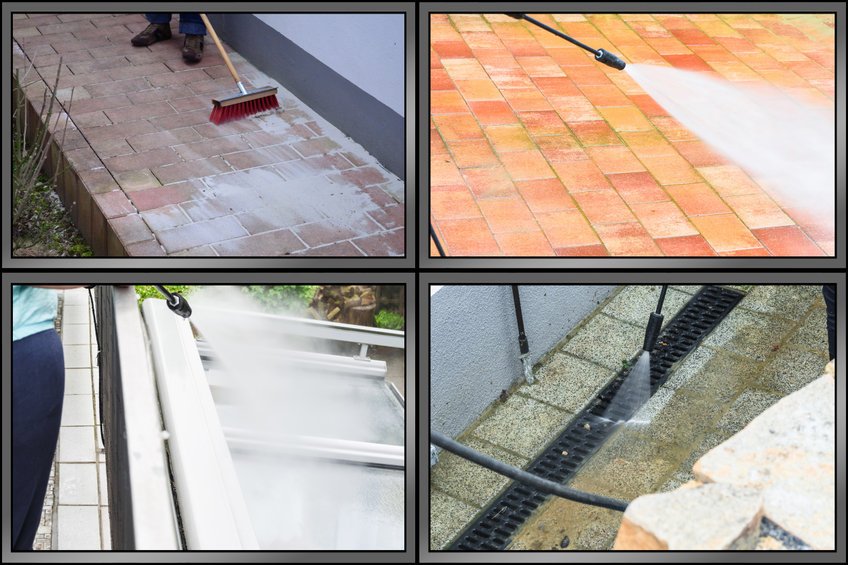
In pressure washing, high-pressure water physically blasts contaminants off surfaces. The force of the water removes dirt and debris mechanically. This works well for hard surfaces like concrete, brick, and stone. However, it can damage softer surfaces like vinyl siding, painted wood, roof shingles, and window screens.
Soft washing replaces that force with chemistry. Biodegradable cleaning solutions penetrate and kill organic growth — mold, algae, mildew, bacteria, and lichen — at the root level. Low-pressure water then rinses the surface clean. Because the cleaning solutions kill organisms rather than just dislodging them, soft washing delivers longer-lasting results than pressure washing on many surfaces.
Why Tennessee Homes Need Soft Washing More Than Most
Tennessee’s climate creates ideal conditions for the organic growth that soft washing targets. Understanding this helps explain why exterior cleaning is a particularly important maintenance task for Tennessee homeowners.
Humidity and Organic Growth
Tennessee experiences high humidity for much of the year. Humidity creates the moisture conditions that mold, algae, and mildew need to thrive. Furthermore, Tennessee’s warm temperatures accelerate the growth rate of these organisms significantly. As a result, exterior surfaces in Tennessee develop visible organic growth faster than homes in drier climates.
Tree Cover and Shade
Much of Tennessee — particularly the Upper Cumberland region — has significant tree coverage. Shaded areas on a home’s exterior stay damp longer after rain. They also receive less UV exposure that would naturally inhibit organic growth. These conditions produce heavy algae and mildew growth on siding, rooflines, and decks in shaded areas.
Pollen and Atmospheric Deposits
Tennessee’s extended pollen season deposits organic material on exterior surfaces throughout spring and summer. This organic material provides a food source for mold and algae. Combined with humidity, pollen deposits accelerate the biological contamination of exterior surfaces significantly.
Hard Water Deposits
Many areas of the Upper Cumberland have hard water. Hard water leaves mineral deposits on exterior surfaces over time — particularly around irrigation systems, outdoor faucets, and areas where water drains across surfaces regularly.
What Soft Washing Cleans — And What It Does Not
Soft washing is highly effective on specific surface types and contaminants. However, it is not the right method for every exterior cleaning task. Here is an honest breakdown.
What Soft Washing Cleans Best
Vinyl siding — Soft washing removes mold, algae, mildew, and atmospheric grime from vinyl siding without damaging the surface or forcing water behind the panels.
Painted wood siding — High-pressure washing strips paint and forces water into wood. Soft washing cleans painted surfaces gently and effectively without either risk.
Roof shingles — Algae and lichen growth on asphalt shingles cause premature aging and granule loss. Soft washing removes this growth safely. Pressure washing destroys shingles — it should never be used on roofs.
Stucco and EIFS — These surfaces are easily damaged by high pressure. Soft washing cleans them thoroughly without cracking or eroding the surface material.
Wood decks and fences — Soft washing removes mold and mildew from wood surfaces without raising the grain or forcing water into joints the way pressure washing can.
Screen enclosures and gutters — Delicate surfaces like screen mesh and painted gutter faces need low-pressure cleaning. Soft washing handles both effectively.
What Requires Pressure Washing Instead
Concrete driveways and sidewalks — Concrete is hard and dense. It benefits from the mechanical force of pressure washing to remove embedded oil stains, tire marks, and heavy grime. Soft washing solution alone is less effective on concrete surfaces.
Brick patios and retaining walls — Dense masonry surfaces withstand and benefit from pressure washing. The mechanical force removes embedded dirt that soft washing solutions may not fully penetrate.
For more on the differences between these two methods, read: Power Washing vs Pressure Washing: What’s the Difference?
The Soft Washing Process: What to Expect From a Professional Service
Many homeowners are not sure what professional soft washing actually involves. Here is a step-by-step breakdown of what a thorough professional service looks like.
Pre-Service Preparation
A professional technician begins by assessing the surfaces to be cleaned. They identify the types of growth present and select appropriate cleaning solution concentrations. They also protect vulnerable areas — covering plants, outdoor furniture, and any surfaces that should not contact the cleaning solution.
Wet Down Surrounding Vegetation
Before applying cleaning solution, technicians wet down nearby plants, shrubs, and lawn areas with plain water. This pre-wetting dilutes any solution that contacts vegetation during the cleaning process. Reputable soft washing companies use biodegradable solutions — however, pre-wetting vegetation is still standard practice.
Application of Cleaning Solution
The cleaning solution is applied to the surfaces being cleaned using low-pressure equipment. The solution penetrates organic growth and begins breaking it down at the root level. Dwell time — the period the solution sits on the surface — is critical. Adequate dwell time ensures the solution fully neutralizes organic contaminants before rinsing begins.
Low-Pressure Rinse
After adequate dwell time, the surface is rinsed thoroughly with low-pressure water. The rinsing process removes the loosened contamination and residual cleaning solution. Properly executed soft washing leaves no streaking or residue.
Post-Service Rinse of Vegetation
After cleaning is complete, technicians rinse surrounding vegetation again with plain water. This removes any solution that may have settled on plants during the cleaning process.
At Advanced Cleaning Service, our power washing and soft washing service follows this complete process on every job.
How Long Does Soft Washing Last?
One of the most common questions homeowners ask is how long soft washing results last. The honest answer depends on several factors.
Surface Type and Exposure
North-facing surfaces and shaded areas accumulate new organic growth faster than south-facing or sun-exposed surfaces. In Tennessee’s humid climate, north-facing siding may develop visible algae growth within one to two years of cleaning. South-facing surfaces may stay clean for three or more years under the same conditions.
Solution Strength and Application
Professional-grade soft washing solutions contain biocides — compounds that continue inhibiting organic growth for a period after cleaning. A properly applied professional treatment lasts significantly longer than a diluted or poorly applied service. This is one of the most important reasons to choose a qualified professional over a budget provider.
Local Environmental Conditions
Homes surrounded by heavy tree cover, near water sources, or in particularly humid microclimates accumulate new growth faster than more exposed properties. Furthermore, homes in areas with heavy pollen deposition may develop surface contamination faster — as pollen residue provides a nutrient source for new biological growth.
General Guideline
For most Tennessee homes, professional soft washing every one to three years keeps exterior surfaces in good condition. Homes in heavily shaded or humid locations benefit from annual soft washing. More exposed homes in drier microclimates may go two to three years between services.
DIY Soft Washing vs Professional Soft Washing
Some homeowners consider DIY soft washing as a cost-saving option. Here is an honest comparison of the two approaches.
DIY Soft Washing
Consumer-grade soft washing equipment and cleaning solutions are available at home improvement stores. DIY soft washing can address light surface contamination on accessible surfaces effectively. It is a reasonable option for homeowners comfortable working with cleaning chemicals and who have single-story homes with straightforward exterior surfaces.
However, DIY soft washing has real limitations. Consumer cleaning solutions are significantly less concentrated than professional products. They deliver shorter-lasting results and may not fully eliminate established mold or algae colonies. Additionally, working at height on ladders with chemical solutions carries genuine safety risks.
Professional Soft Washing
Professional soft washing uses commercial-grade equipment and properly concentrated cleaning solutions. Technicians have the training to select the right solution strength for each surface type. They have the equipment to reach all areas of the home safely — including rooflines, upper stories, and difficult angles.
Professional results last longer, cover the entire home comprehensively, and eliminate the safety risks of DIY work at height. For most Tennessee homeowners, professional soft washing delivers significantly better value than the DIY alternative when total cost and results are compared honestly.
Protecting Your Home Between Soft Washing Services
Soft washing results last longer with a few simple maintenance habits. These steps reduce the rate of new organic growth between professional services.
Keep gutters clean. Overflowing gutters deposit moisture and debris on siding and fascia boards — creating ideal conditions for mold and algae growth directly on the surfaces you just cleaned. Regular gutter maintenance extends soft washing results significantly.
Trim trees and shrubs away from the home. Vegetation touching or overhanging the home keeps surfaces shaded and damp. Trimming it back improves air circulation and UV exposure — both of which inhibit organic growth.
Address moisture issues promptly. Any source of chronic moisture against your home’s exterior — leaking gutters, improper grading, irrigation spray — accelerates organic growth. Fixing these issues makes soft washing results last longer.
Schedule interior cleaning alongside exterior cleaning. The same mold and mildew conditions that affect your home’s exterior can affect interior surfaces too. For more on maintaining a clean indoor environment, read: The Cleaning Habits That Save You From Costly Surprises
Soft Washing Services Across the Upper Cumberland
At Advanced Cleaning Service, we provide professional soft washing and power washing services throughout the Upper Cumberland. We serve Cookeville, Crossville, Sparta, Baxter, Livingston, Monterey, Fairfield Glade, Lake Tansi, and Rickman. Our power washing and soft washing service is backed by our 100% Service Guarantee.
Frequently Asked Questions About Soft Washing in Tennessee
Q: Is soft washing safe for all exterior surfaces? Soft washing is safe for most residential exterior surfaces — vinyl siding, painted wood, stucco, roof shingles, and wood decks. It is not appropriate for all surfaces. Natural stone and some specialty coatings may require specific solution formulations. A professional technician assesses each surface before applying any solution.
Q: Will soft washing kill my plants? Reputable soft washing companies use biodegradable solutions and take precautions to protect surrounding vegetation. Pre-wetting plants before application and rinsing them thoroughly after cleaning minimizes any risk. Properly executed professional soft washing does not harm established landscaping.
Q: How is soft washing different from pressure washing? Soft washing uses low water pressure and cleaning solutions to remove contaminants. Pressure washing uses high-pressure water to mechanically blast surfaces clean. Soft washing is better for delicate surfaces and organic growth removal. Pressure washing is better for hard surfaces with embedded mechanical staining like concrete and brick.
Q: Can soft washing damage vinyl siding? Properly executed soft washing does not damage vinyl siding. In fact, it is the recommended cleaning method for vinyl siding specifically because it removes organic growth without the risk of forcing water behind panels or damaging the surface — both of which are real risks with high-pressure washing.
More Questions About Exterior Cleaning in Tennessee
Q: How long does a professional soft washing service take? For a typical single-story Tennessee home, professional soft washing takes two to four hours. Larger homes, two-story properties, or homes with significant organic growth may take longer. Your technician should give you a realistic time estimate during the assessment.
Q: Should I be home during soft washing? You do not need to be present for the entire service. However, we recommend being available at the start for a brief walkthrough with the technician — and at the end to review the completed work before the crew departs.
Q: How do I know if my home needs soft washing or pressure washing? The surface type and the type of contamination determine the right method. Siding, roofs, and painted surfaces need soft washing. Driveways, concrete patios, and brick surfaces benefit from pressure washing. Many homes need both methods applied to different areas. A professional assessment identifies the right approach for each surface. Read more: Soft Wash vs. Power Wash: The Battle of Gentle vs. Forceful
Ready to Restore Your Home’s Exterior?
At Advanced Cleaning Service, we know Tennessee homes and Tennessee weather. Our professional soft washing service removes years of organic buildup safely — and keeps your home’s exterior protected and looking great.