
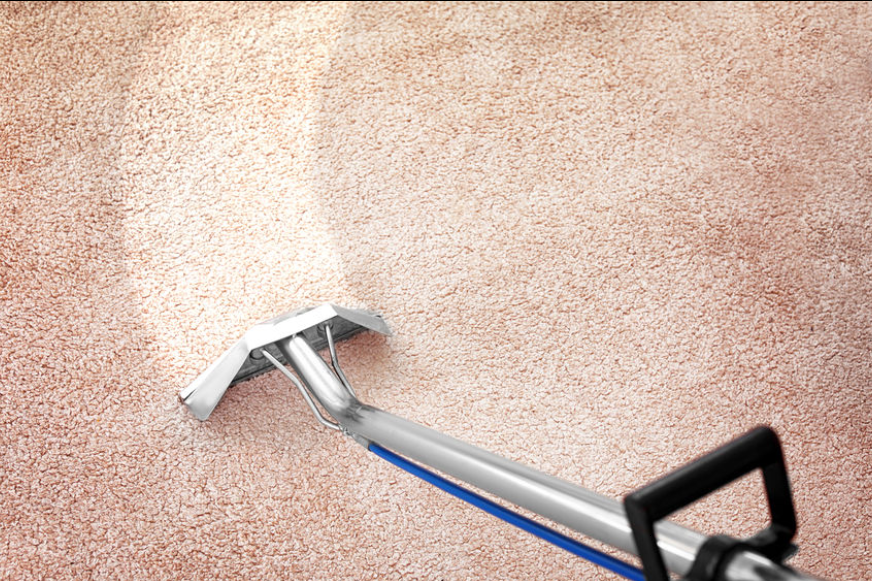
A pipe bursts in your rental. Or you’re moving out and the carpet has seen better days. Suddenly there’s a tense question hanging in the air: who actually pays for this — you or the landlord?
It’s one of the most common disputes between Tennessee renters and property owners, and the answer isn’t always obvious. The good news is that most situations follow a few clear principles. This guide breaks down who’s typically responsible for carpet cleaning and water damage cleanup in a rental, so you know where you stand before money changes hands. A quick note up front: this is general guidance, not legal advice, and your lease is always the final word.
The General Rule: Normal Wear vs. Damage
Almost every rental dispute comes down to one distinction: normal wear and tear versus actual damage. This single idea decides who pays in most cases.
Normal wear and tear is the gradual aging that happens just from living in a home. Lightly matted carpet in walkways, minor fading, and general “this carpet is a few years old” wear all fall here. In Tennessee, landlords generally cannot charge a tenant for normal wear and tear. That’s considered a cost of doing business, covered by the rent.
Damage is different. It’s harm beyond ordinary use: large stains, pet urine soaked into the padding, burns, tears, or anything caused by neglect or accident. Tenants are typically responsible for damage they or their guests cause. That’s the line that decides most carpet and cleaning disputes.
Who Pays for Carpet Cleaning in a Rental?
Routine carpet cleaning at move-out is one of the most argued-about charges, so it’s worth understanding clearly.
If the carpet is simply dirty from normal living, standard cleaning is often considered the landlord’s responsibility as part of turning over the unit. Many landlords still try to pass a basic cleaning fee to the tenant, and whether that holds up usually depends on what the lease says. Some leases include a reasonable move-out cleaning clause, and a clearly written one is often enforceable.
If the carpet has actual damage — heavy stains, pet odor, anything beyond normal wear — the tenant typically pays for the treatment needed to fix it. This is where professional treatment matters. A landlord can charge for the cost of cleaning specific damage, but generally not for replacing a carpet that was already old. You can see the kind of deep treatment that addresses real damage on our carpet cleaning service page.
There’s also the depreciation factor. If a carpet was already near the end of its lifespan, a landlord usually can’t charge a tenant full price to replace it, even if it’s damaged. The age of the carpet reduces what can fairly be deducted from a deposit.
Who Pays for Water Damage in a Rental?
Water damage gets more complicated, because the answer depends entirely on the cause. Here’s how it usually breaks down.
When the landlord typically pays: Water damage from building problems is generally the owner’s responsibility. A burst pipe, a roof leak, a failing water heater, or a plumbing failure are structural issues the landlord must address. They’re responsible for the repair and usually for the cleanup and restoration too.
When the tenant typically pays: Water damage caused by the tenant’s actions or neglect usually falls to the tenant. An overflowing bathtub left unattended, a fish tank that breaks, or damage made worse because the tenant didn’t report a leak promptly can all become the tenant’s responsibility.
This last point matters more than people realize. Even when the original cause isn’t your fault, failing to report it quickly can shift some responsibility onto you. If a small leak becomes major mold damage because no one was told, that delay can change who pays. Acting fast protects both your home and your wallet — our blog on what to do immediately after water damage in your home walks through the right first steps.
The Role of Your Security Deposit
Most of these disputes play out through the security deposit, so it helps to know how that works in Tennessee.
A landlord can deduct from your deposit for damage beyond normal wear and tear, and for unpaid rent or fees outlined in the lease. They generally cannot deduct for normal wear, for pre-existing damage, or for upgrades they simply want to make. Tennessee law also sets out procedures landlords must follow around deposits, including documenting deductions.
The single best protection for a renter is documentation. Take dated photos when you move in and again when you move out. A clear before-and-after record is the strongest evidence in any dispute over who caused what. If you can show the stain was there on day one, it’s not coming out of your deposit.
Practical Tips for Renters
If you’re renting, a few habits protect you from unfair charges.
Read your lease closely, especially any cleaning or carpet clauses. Document the condition of the home at move-in with photos. Report any leak, spill, or water issue to your landlord in writing immediately, so there’s a record. And treat spills and stains quickly, since fresh stains come out far more easily than old ones.
If you do cause damage, getting it professionally treated before you move out is often cheaper than what a landlord will deduct for it. Handling a stain or a small water issue yourself, through a professional, gives you control over the cost and the result.
Practical Tips for Landlords
If you own rental property, clarity and documentation protect you just as much.
Write your lease clearly, spelling out cleaning expectations and tenant responsibilities in plain language. Inspect and photograph each unit between tenants so you have a record of its true condition. Address water issues fast when tenants report them, both to limit damage and to keep responsibility clear. And keep professional cleaning records, since a documented cleaning history helps establish what’s normal wear versus tenant-caused damage.
For serious water events, professional restoration isn’t just about appearance — it prevents the hidden mold and structural problems that cost far more later. You can see what that involves on our water damage restoration page.
Frequently Asked Questions
Can a landlord charge a tenant for carpet cleaning in Tennessee?
It depends on the situation and the lease. Landlords generally can’t charge for cleaning normal wear and tear, but they can charge to treat actual damage like heavy stains or pet odor. Some leases include a reasonable move-out cleaning clause that may be enforceable. The carpet’s age also limits what a landlord can fairly deduct.
Who pays for water damage in a rental home?
It comes down to the cause. Water damage from building issues — a burst pipe, roof leak, or failing water heater — is usually the landlord’s responsibility. Damage caused by the tenant’s actions or neglect, like an overflowing tub or a leak they didn’t report, typically falls to the tenant.
Can a landlord take my deposit for old carpet stains?
Generally not if the stains were already there when you moved in, which is why move-in photos matter so much. A landlord also can’t charge full replacement cost for a carpet that was already near the end of its lifespan. Documentation is your best protection in any deposit dispute.
What should I do if there’s water damage in my rental?
Report it to your landlord in writing immediately, and document it with photos. Fast reporting protects you, since delayed reporting can shift responsibility onto you if the damage worsens. For anything beyond a minor spill, professional restoration helps prevent hidden mold and structural problems.
Does normal wear and tear include dirty carpet?
Usually, yes. Carpet that’s simply worn or lightly soiled from everyday living is typically considered normal wear, which landlords generally can’t charge tenants for. The line is crossed when there’s actual damage, such as deep stains, burns, tears, or pet urine in the padding.
Get Cleaning Done Right, Whoever’s Paying
Whether you’re a renter protecting your deposit or a landlord turning over a unit, the smart move is the same: handle carpet and water issues properly, with documentation, before they turn into a bigger dispute or a bigger bill.
At Advanced Cleaning Service, we help both renters and property owners across Cookeville, Algood, Crossville, and the Upper Cumberland with honest carpet cleaning and water damage restoration. We’ve done it since 1986, we give clear up-front pricing, and we provide records you can use. Every job is backed by our 100% Service Guarantee.
Need carpet or water damage cleaning handled the right way? Reach out to us here for a free, no-pressure quote.