The rented pressure washer looks tempting. It’s a Saturday, your siding has green streaks and grime, and the machine costs forty bucks for the day. How hard can it be? You point, you spray, your house gets clean. Right?
Sometimes. But pressure washing your own siding is one of those DIY jobs that goes wrong more often than people expect — and the damage can cost far more than hiring a professional would have in the first place. This guide explains exactly how it backfires, why professionals use a gentler method called soft washing for most homes, and how to know which approach your house actually needs. We’ve washed homes all over Cookeville, Algood, and the Upper Cumberland, and we’ve also been called in to fix plenty of DIY jobs gone sideways.
The Core Problem: Too Much Pressure
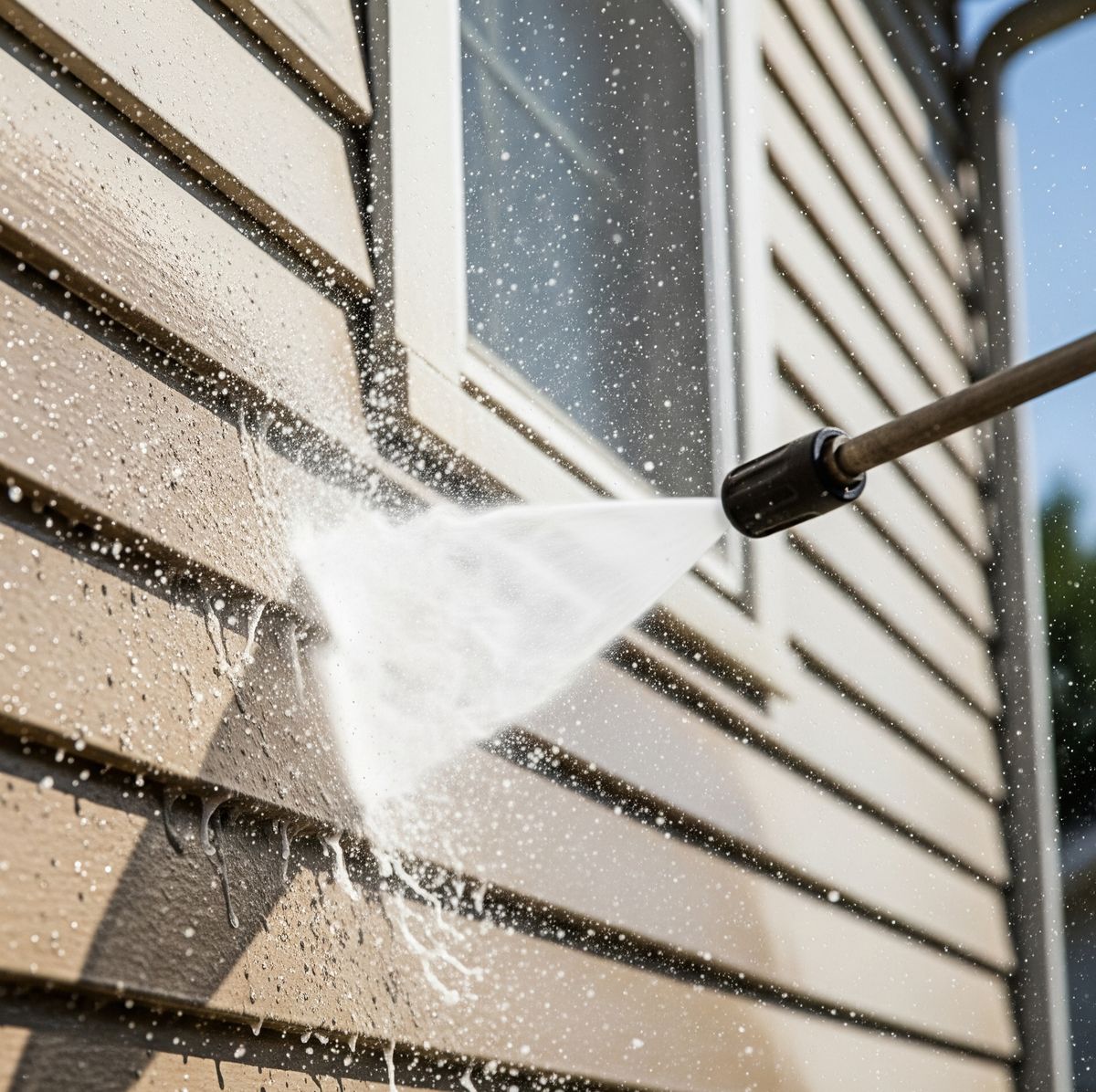
A pressure washer does its job with brute force. It blasts water at extremely high pressure to strip away dirt. On the right surface — concrete, brick, a sturdy driveway — that force is exactly what you want.
On siding, that same force becomes a liability. Vinyl, wood, stucco, and painted surfaces are far more delicate than concrete. The pressure that cleans a driveway can crack, gouge, or strip the surface of your home. And because the damage often doesn’t show up right away, many homeowners don’t connect the problem to the wash until later.
That’s the heart of why DIY siding washing backfires. The tool is powerful, the surface is fragile, and most homeowners have no way to judge the right pressure for each material.
How DIY Pressure Washing Goes Wrong
Here are the specific ways it tends to fail, based on the jobs we’ve been called in to repair.
Water forced behind the siding. This is the big one. Aim a pressure washer upward or into a seam, and you can drive water behind the siding and into your walls. Trapped moisture leads to mold, rot, and damage you can’t see until it’s expensive. This single mistake causes more harm than any cosmetic issue ever would.
Cracked or gouged vinyl. Too much pressure, or holding the nozzle too close, can crack vinyl siding outright. Once it’s cracked, the only fix is replacement.
Stripped paint and damaged wood. On painted or wood surfaces, high pressure peels paint and splinters or furrows the wood grain. What started as a cleaning project turns into a repainting project.
Damaged seals and fixtures. Pressurized water can blow out window seals, force its way into light fixtures, and damage screens. These are the small, costly surprises that show up after the fact.
Personal injury. A pressure washer is genuinely dangerous. The recoil is strong, ladders make it worse, and the stream can cut skin. Exterior washing from height is a real safety risk for an untrained homeowner.
What Soft Washing Is and Why Pros Use It
Here’s what most people don’t know: professionals usually don’t blast siding with high pressure at all. For most home exteriors, they use a method called soft washing.
Soft washing uses low pressure — closer to a garden hose than a pressure washer — combined with specialized cleaning solutions. The solutions do the work that brute force can’t. They break down mold, mildew, algae, and grime at the source, then rinse away gently.
This matters for two reasons. First, it’s far safer for your siding, since there’s no destructive force involved. Second, it actually cleans better and lasts longer. Pressure washing blasts the surface dirt off but leaves the mold and algae spores behind, so the green streaks come back fast. Soft washing kills them at the root, so your home stays clean for much longer. Our blog on soft wash vs. power wash breaks down the difference in more detail.
When High Pressure Is Actually the Right Tool
To be fair, pressure washing isn’t always wrong. It has its place — just not on your siding in most cases.
High pressure is the right choice for hard, durable surfaces. Concrete driveways, sidewalks, brick patios, and stone can handle the force and often need it to get truly clean. The mistake isn’t using a pressure washer at all. It’s using high pressure on delicate surfaces that call for a gentle approach instead.
A professional knows which method each surface needs. They’ll soft wash your siding, then switch to higher pressure for the driveway, matching the tool to the material. That judgment is a big part of what you’re paying for.
The Real Cost Comparison
On the surface, DIY looks cheaper. A rental is forty dollars; a professional wash costs more. But the real comparison includes risk.
If the DIY job goes well, you save some money. If it goes wrong — cracked siding, water behind the walls, peeled paint, a damaged window seal — you’re suddenly looking at repairs that dwarf what professional washing would have cost. You’re also spending your own Saturday on physical, sometimes risky work.
Professional soft washing removes that gamble. You get a clean home, no risk of damage, no safety hazard, and results that last longer because the mold and algae are killed at the source rather than just rinsed off. You can see what’s involved on our power washing and soft washing service page.
How to Decide for Your Home
So what’s the right call for your house? Start with the surface. If you’re cleaning siding, painted surfaces, or wood, soft washing is almost always the safer choice, and that’s a job best left to a professional with the right equipment. If you’re only cleaning a concrete driveway or patio, a careful DIY pressure wash is more reasonable.
When in doubt, the safest move is to have a professional assess your home. A reputable company can tell you which surfaces need which method, and handle the delicate ones without putting your siding — or you — at risk.
Frequently Asked Questions
Can I pressure wash my own vinyl siding?
You can, but it’s risky. High pressure can crack vinyl, force water behind the siding into your walls, and damage seals and fixtures. Most professionals use low-pressure soft washing on siding instead, because it cleans safely without the risk of damage. For siding, soft washing is almost always the better choice.
What’s the difference between soft washing and pressure washing?
Pressure washing uses high-force water to blast dirt off hard surfaces like concrete. Soft washing uses low pressure plus specialized cleaning solutions to safely clean delicate surfaces like siding, breaking down mold and algae at the source. Soft washing is gentler and the results last longer because it kills the growth rather than just rinsing it off.
Why do the green streaks on my siding come back so fast after pressure washing?
Pressure washing removes surface dirt but leaves the mold and algae spores behind, so they regrow quickly. Soft washing uses cleaning solutions that kill the growth at the root, which keeps your siding clean far longer. This is a major reason professionals favor soft washing for exteriors.
Is pressure washing ever the right choice?
Yes, for hard, durable surfaces. Concrete driveways, sidewalks, brick, and stone can handle high pressure and often need it to get truly clean. The problem is only using high pressure on delicate surfaces like siding, paint, and wood, which call for soft washing instead.
Is DIY pressure washing dangerous?
It can be. Pressure washers have strong recoil, the stream is powerful enough to injure skin, and using one from a ladder adds a serious fall risk. Exterior washing from height is one of the more hazardous DIY jobs, which is another reason many homeowners leave it to professionals.
Get Your Home Cleaned the Safe Way
Your home’s exterior is worth protecting, and the cheapest-looking option isn’t always the safest one. Soft washing gets your siding genuinely clean without the risk of cracked panels, water in your walls, or a Saturday spent on a ladder with a dangerous machine.
That’s what we do at Advanced Cleaning Service. We’ve safely washed homes across Cookeville, Algood, Crossville, and the Upper Cumberland since 1986, matching the right method to every surface. Every job comes with clear pricing and our 100% Service Guarantee.
Want your home’s exterior cleaned the safe way? Reach out to us here for a free, no-pressure quote.