Mold after water damage is one of the most serious — and most underestimated — problems a Tennessee homeowner can face. Water damage itself is stressful enough. However, what happens in the hours and days after the water event is often more damaging than the original incident. Mold can begin developing within 24 to 48 hours of moisture exposure. Furthermore, it spreads silently behind walls, under floors, and inside ceilings long before it becomes visible.
At Advanced Cleaning Service, we have helped homeowners across the Upper Cumberland deal with the aftermath of water damage since 1986. In this guide, we will walk you through exactly what mold after water damage looks like, how to detect it early, and what steps you must take immediately to protect your home and your family’s health.
Why Mold After Water Damage Develops So Quickly
Most homeowners assume they have time to address water damage at their own pace. Unfortunately, mold does not wait. Understanding the timeline of mold development after water damage is critical — because the window for preventing it is narrow.
Here is what happens inside your home after a water event:
Within the first hour: Water begins penetrating porous materials — drywall, insulation, wood framing, carpet padding, and subfloor. The deeper it penetrates, the harder it becomes to dry effectively without professional equipment.
Within 24 hours: Bacteria present in the water begin multiplying rapidly. Additionally, if the water source was contaminated — such as a backed-up drain, a sewage line break, or floodwater — bacterial growth begins almost immediately.
Within 24 to 48 hours: Mold spores, which are naturally present in all indoor and outdoor environments, begin germinating on wet surfaces. Drywall, wood, insulation, and carpet are all ideal growth substrates for mold when moisture is present.
Within 3 to 7 days: Mold colonies become established. At this stage, surface mold may become visible. However, the majority of growth is typically occurring inside wall cavities and beneath flooring where air circulation is limited and moisture persists.
Beyond 7 days: Mold spreads aggressively. Structural materials begin deteriorating. Mycotoxins — toxic compounds produced by certain mold species — begin accumulating in the indoor air. Health effects become increasingly likely for occupants.
Tennessee’s climate makes this timeline even more compressed. The state’s warm temperatures and high humidity — particularly in summer — create ideal conditions for accelerated mold growth. Therefore, acting quickly after any water event is not just advisable. It is essential.
The Most Common Warning Signs of Mold After Water Damage
Detecting mold early dramatically reduces the cost and complexity of remediation. Therefore, knowing exactly what to look for after any water event — whether from a burst pipe, a roof leak, appliance failure, or flooding — can save you thousands of dollars and significant health risk.
Visible Mold Growth
The most obvious sign is visible mold — but it is important to understand that visible mold is almost always an indicator of a much larger hidden problem. Mold on a surface means the moisture and spore conditions that produced it have been present for long enough to establish colonies. The visible growth is the tip of the iceberg.
Mold appears in a variety of colors depending on the species — black, green, white, gray, and brown are all common. It may appear as spots, patches, or a fuzzy coating on walls, ceilings, baseboards, or flooring. Any visible mold after a water event should be treated as a serious warning sign requiring immediate professional assessment.
A Persistent Musty Odor
A persistent musty smell — particularly in rooms that experienced water exposure — is one of the earliest and most reliable indicators of mold growth. Mold produces microbial volatile organic compounds (MVOCs) as a byproduct of its metabolic process. These compounds produce the distinctive earthy, musty odor associated with mold.
Critically, you can smell mold before you can see it. Therefore, a musty odor in a room that had water damage — even one that appears completely dry and clean on the surface — warrants professional moisture testing and inspection.
Discoloration on Walls, Ceilings, or Floors
Water staining — yellow, brown, or gray discoloration on drywall, ceilings, or flooring — indicates that moisture has been present and has been absorbed into those materials. Even if the surface feels dry, discoloration means moisture penetrated the material. Where moisture penetrates, mold follows.
Additionally, paint that is bubbling, peeling, or blistering indicates moisture trapped beneath the surface — a condition that actively supports mold growth inside the wall cavity.
Warping, Buckling, or Soft Spots
Wood flooring, subfloor, baseboards, and wall framing that warps, buckles, or develops soft spots after water exposure indicate deep moisture saturation. These structural changes signal that materials have absorbed significant moisture — creating ideal conditions for mold growth within and beneath them.
Worsening Allergy or Respiratory Symptoms
Unexplained increases in allergy symptoms, respiratory irritation, coughing, or headaches — particularly when symptoms improve when occupants leave the home — are a significant health warning sign. Mold spores and mycotoxins are potent respiratory irritants. For family members with asthma, existing allergies, or compromised immune systems, mold exposure carries serious health risks.
Water Damage That Was Not Professionally Dried
This is critically important: if your home experienced water damage that was dried using only household fans, towels, and open windows — without professional moisture extraction and drying equipment — there is a high probability that moisture remains trapped in building materials. Surface dryness does not mean structural dryness. Mold can be actively growing in materials that feel dry to the touch.
The Areas Most Vulnerable to Mold After Water Damage
Mold does not develop evenly throughout a water-damaged home. Certain areas are far more vulnerable because of their material composition, limited air circulation, or proximity to moisture sources.
Behind drywall: Drywall is highly porous and absorbs water rapidly. Furthermore, the paper facing on drywall is an ideal food source for mold. Mold growth behind drywall is extremely common after water events — and completely invisible from the surface until it has spread extensively.
Under flooring: Carpet padding, hardwood subfloor, and the adhesive beneath tile and luxury vinyl flooring all retain moisture effectively. Mold beneath flooring is one of the most common sources of persistent musty odors after water damage.
Inside wall cavities: Wall insulation absorbs and retains moisture for extended periods. Once mold establishes itself in insulation, the insulation typically must be removed and replaced entirely.
In HVAC systems: Water events that affect areas near HVAC components — air handlers, ductwork, and drain pans — can introduce mold spores directly into your air distribution system. From there, spores are circulated throughout the entire home. This is why professional duct cleaning after a water event is an important step that is frequently overlooked.
Under sinks and in cabinets: Slow leaks beneath sinks frequently go undetected for extended periods. By the time they are discovered, significant mold growth has often already occurred inside the cabinet.
In basements and crawl spaces: These areas have limited air circulation, frequent ground moisture contact, and are often the first areas to flood during heavy rain events. They are among the highest-risk areas for persistent mold problems in Tennessee homes.
What to Do Immediately After Discovering Water Damage
The actions you take in the first few hours after discovering water damage directly determine whether mold becomes a problem. Therefore, follow these steps without delay:
Stop the water source first. Before anything else, identify and stop the source of water intrusion — whether that means turning off the main water supply, calling a plumber for an emergency repair, or addressing the roof issue causing a leak.
Document everything. Take photos and videos of all affected areas immediately. This documentation is essential for insurance claims and for giving restoration professionals a complete picture of the damage.
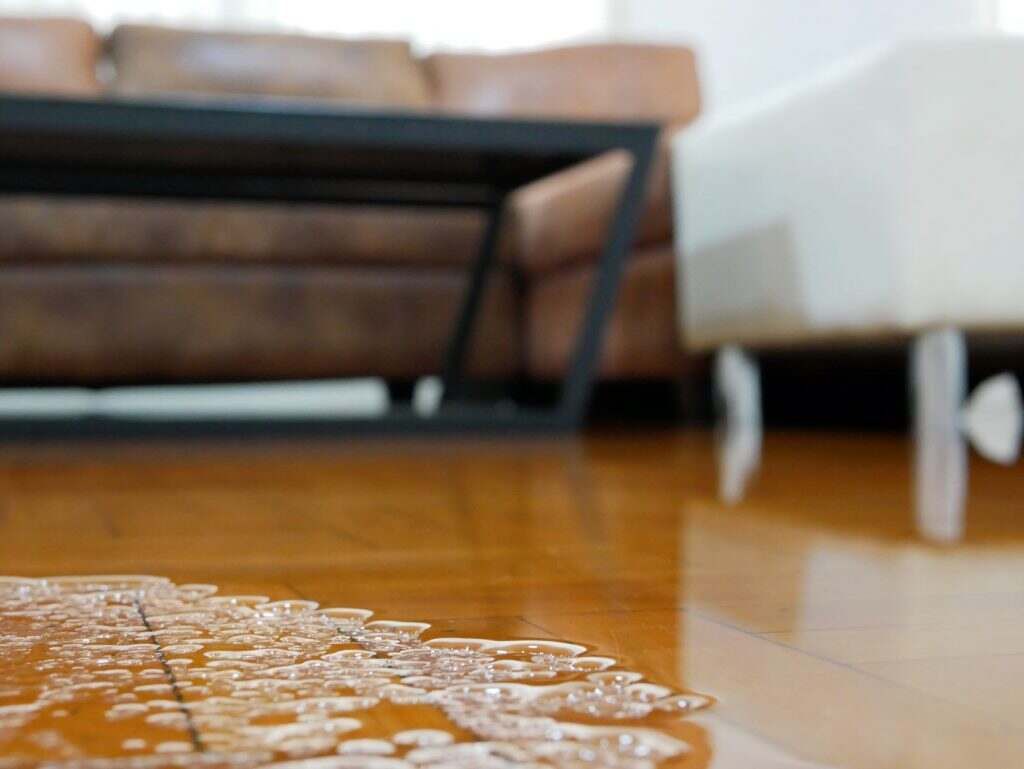
Remove standing water immediately. Use a wet-dry vacuum or mop to remove any standing water as quickly as possible. Every minute water remains on floors and against walls increases the depth of penetration into building materials.
Move belongings out of affected areas. Remove furniture, rugs, and personal belongings from water-affected areas. Items that cannot be dried quickly may themselves become mold sources.
Ventilate the area. Open windows and doors if outdoor humidity is lower than indoor humidity. Run fans to increase air circulation. However, understand that fans and open windows alone are insufficient for drying structural materials — they address only surface moisture.
Call a professional water damage restoration service immediately. This step cannot be overstated. Professional restoration equipment — industrial dehumidifiers, air movers, moisture meters, and thermal imaging cameras — is the only way to ensure structural materials are dried to safe moisture levels before mold has the opportunity to establish itself.
At Advanced Cleaning Service, our water damage restoration service is available to homeowners across the Upper Cumberland. We use professional-grade extraction and drying equipment to address moisture at the structural level — not just the surface.
What Professional Water Damage Restoration Actually Does
Many homeowners underestimate the gap between DIY water damage response and professional restoration. Here is what professional restoration actually involves — and why it matters so much for mold prevention:
Moisture Mapping
Professional technicians use thermal imaging cameras and moisture meters to identify every area of moisture penetration — including areas completely invisible to the naked eye. This step is critical because untreated hidden moisture causes most mold development after water events.
Industrial Water Extraction
Professional extraction equipment removes water from flooring, carpet, and building materials far more thoroughly than any household wet-dry vacuum. The difference in extraction power is significant and immediate.
Structural Drying
Industrial air movers and dehumidifiers draw moisture out of walls, floors, and ceilings over two to five days. Technicians monitor moisture meters throughout the process to verify that materials reach safe dryness levels before they move on.
Antimicrobial Treatment
Technicians apply professional-grade antimicrobial solutions to all affected surfaces. These solutions inhibit mold and bacterial growth during the drying process — providing a critical layer of protection during the vulnerable drying window.
Documentation
Professional restoration companies document moisture levels throughout the entire drying process. This documentation supports insurance claims and gives you verifiable proof that your home reached safe moisture levels. For more on why acting fast makes all the difference, read: The Hidden Timeline of Water Damage: How Fast Action Changes Everything
When Mold Is Already Present: What Happens Next
If mold has already developed by the time you discover the water damage — or if it develops despite initial drying efforts — professional mold remediation is required. Here is what that process involves:
Containment. The affected area is isolated to prevent mold spores from spreading to unaffected areas of the home during remediation. This typically involves plastic sheeting barriers and negative air pressure.
Removal of contaminated materials. Drywall, insulation, flooring, and other porous materials that have been colonized by mold cannot be cleaned — they must be physically removed and replaced. Non-porous surfaces can be cleaned and treated.
HEPA air filtration. Air scrubbers with HEPA filtration are used throughout the remediation process to capture airborne mold spores and prevent them from settling in clean areas.
Treatment of structural surfaces. After removal of contaminated materials, exposed structural surfaces are treated with professional-grade antimicrobial agents.
Post-remediation verification. Air sampling or surface testing verifies that mold levels have been reduced to acceptable levels before reconstruction begins.
This is not a DIY process. Attempting to remediate significant mold growth without professional containment and equipment actually spreads spores throughout the home — making the problem significantly worse. For more context on why professional water damage response is always the right call, read: Why DIY Water Damage Restoration Could Be Riskier Than You Think
Protecting Your Home After Water Damage Restoration
Once your home has been professionally restored, there are several steps you can take to reduce the risk of future mold problems:
Maintain indoor humidity levels. The EPA recommends keeping indoor relative humidity between 30% and 50%. Use dehumidifiers in basements, crawl spaces, and other moisture-prone areas — particularly during Tennessee’s humid summer months.
Address roof and gutter issues promptly. Many water damage events begin with roof leaks or gutter overflow. Regular inspection and maintenance of your roof and drainage systems prevents water intrusion before it starts.
Inspect under sinks and around appliances regularly. Slow leaks from supply lines, drain connections, and appliance water lines are among the most common sources of hidden water damage. Check these areas regularly for any signs of moisture.
Schedule professional duct cleaning after any water event. Water events that affect areas near your HVAC system can introduce mold spores into your ductwork. Professional duct cleaning removes these spores before they circulate throughout your home.
Serving the Upper Cumberland After Water Damage Events
At Advanced Cleaning Service, we provide professional water damage restoration services to homeowners throughout the Upper Cumberland — including Cookeville, Crossville, Sparta, Baxter, Livingston, Monterey, Fairfield Glade, Lake Tansi, and Rickman. Since 1986, Tennessee families have trusted us to respond quickly, work thoroughly, and deliver results that genuinely protect their homes.
Frequently Asked Questions About Mold After Water Damage
Q: How quickly does mold develop after water damage? Mold can begin developing within 24 to 48 hours of moisture exposure under the right conditions — warm temperatures, high humidity, and organic material to feed on. Tennessee’s climate makes this timeline even faster in warmer months. This is why immediate professional response is so important after any water event.
Q: Can I remove mold myself after water damage? Small areas of surface mold — less than 10 square feet — can sometimes be addressed by homeowners using appropriate protective equipment and EPA-registered antimicrobial cleaners. However, any mold associated with water damage that penetrated walls, floors, or ceilings requires professional remediation. DIY attempts on larger mold problems typically spread spores and worsen the situation.
Q: Does homeowner’s insurance cover mold after water damage? Coverage depends on the cause of the water damage and the specific terms of your policy. Mold resulting from sudden, accidental water events — like a burst pipe — is typically covered. Mold resulting from long-term neglected leaks or maintenance failures is typically not covered. Always document damage thoroughly and contact your insurance provider promptly.
More Questions About Mold and Water Damage
Q: How do I know if mold is behind my walls? Common indicators include a persistent musty odor, discoloration or staining on wall surfaces, paint that is bubbling or peeling, and unexplained respiratory symptoms in occupants. Professional moisture testing and thermal imaging can detect hidden moisture and mold behind walls without invasive demolition in many cases.
Q: Is all mold after water damage dangerous? All mold warrants concern and action — however, some species produce mycotoxins that are significantly more hazardous than others. Without laboratory testing, it is impossible to identify mold species visually. Therefore, treat all mold discovered after water damage as a serious health and structural concern requiring professional assessment.
Q: How long does professional water damage restoration take? The drying phase of professional water damage restoration typically takes two to five days depending on the extent of moisture penetration, the materials affected, and environmental conditions. Additional time is required if mold remediation or structural repairs are needed. Your restoration professional should provide a realistic timeline after their initial assessment.
Do Not Wait — Mold Spreads Every Hour You Do
The longer mold after water damage goes unaddressed, the more it spreads — and the more expensive and disruptive the remediation becomes. If your home has experienced any water event — large or small — the most important thing you can do right now is get a professional assessment.
At Advanced Cleaning Service, we are here to help you protect your home and your family before mold has the chance to take hold.