
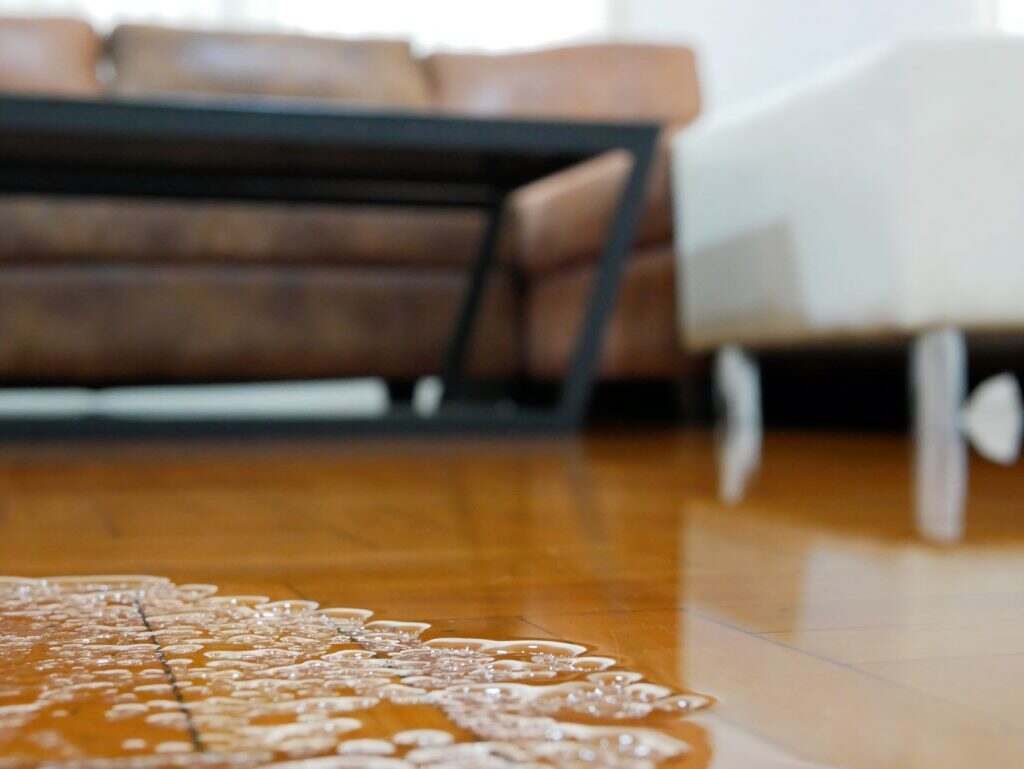
Water damage restoration cost is the first thing homeowners worry about after the water stops. A pipe bursts, a water heater fails, or a storm pushes water under the door. Then comes the hard part, which is not knowing what the bill will be.
This guide gives you real numbers. It covers average prices, cost per square foot, what drives a quote up, and what insurance usually pays. Advanced Cleaning Service has handled water damage across the Upper Cumberland since 1986, so we know which details change the price.
Water Damage Restoration Cost at a Glance
Most homeowners pay between $1,400 and $6,400 for water damage restoration. The national average sits near $3,900 in 2026.
Small jobs cost far less. For example, a minor leak caught early can run as little as $450. On the other hand, severe damage across several rooms can reach $16,000 or more.
That is a wide range, and three things explain it. The type of water, the size of the area, and how long the water sat all shape the final price.
Water Damage Restoration Cost per Square Foot
Most companies price by the square foot. Expect $3 to $7.50 per square foot, depending on how clean the water is. Restoration professionals sort water into three categories.
- Clean water, about $3.50 per square foot. This comes from a supply line, a faucet, or rain. It is the easiest and cheapest to handle.
- Gray water, about $5.25 per square foot. This comes from washing machines, dishwashers, and sinks. It needs extra cleaning and sanitizing.
- Black water, about $7.50 per square foot. This includes sewage and floodwater. It requires protective gear, disposal of soaked materials, and full disinfection.
Here is a simple example. A 200 square foot room with clean water costs about $700 to restore. However, the same room with black water costs closer to $1,500.
How Severity Changes the Price
Water type is only half the picture. The other half is how deep the water went. As a result, two homes with the same leak can get very different quotes.
A small damp area on a hard floor dries quickly with little equipment. A soaked room is different, because water wicks up the drywall and into the carpet pad. That job needs more machines and more days.
The most expensive jobs involve water from above or water that sat for days. In those cases, ceilings, insulation, subfloors, and hardwood are saturated. Drying takes longer, and more material has to come out.
Water Damage Repair Cost by What Got Damaged
Restoration dries and cleans the home. Repairs put it back together. Therefore, your total depends on which materials were hit.
- Drywall: $300 to $850
- Ceiling: $450 to $1,600
- Flooring: $200 to $3,000
- Basement: $500 to $2,800
- Burst pipe and related damage: $1,000 to $4,000
- Mold removal: $1,200 to $3,800
Flooring has the widest range because materials react so differently. Tile often survives with a good cleaning. Carpet, on the other hand, soaks up water fast and may need a new pad even when professional carpet cleaning saves the carpet itself.
What a Water Damage Restoration Quote Includes
A fair quote lists each step. If yours is a single lump sum, ask for a breakdown. In most cases, professional water damage restoration includes:
- An inspection with moisture readings in walls and floors
- Water extraction with truck mounted or portable equipment
- Air movers and dehumidifiers running for several days
- Removal of materials that cannot be saved
- Cleaning and sanitizing of affected surfaces
- Daily moisture checks until everything is dry
Rebuilding is usually quoted separately. That includes new drywall, paint, and flooring. Ask up front so the second bill is not a surprise.
Why Waiting Makes Water Damage Cost More
Time is the one cost factor you control. Mold can begin growing within 24 to 48 hours. After that, a drying job becomes a drying job plus mold removal.
Water also keeps moving. It spreads under flooring, climbs drywall, and soaks into framing. Our guide to the hidden timeline of water damage shows what happens hour by hour.
Acting fast is the cheapest decision you can make. For the first steps, see what to do immediately after water damage. Likewise, learn the signs of mold after water damage so you can catch it early.
Does Insurance Cover Water Damage Restoration Cost?
Often, yes. Most homeowners policies cover damage that is sudden and accidental. A burst pipe or a failed water heater usually qualifies.
However, policies typically exclude gradual problems. A slow leak that went unrepaired for months is a common example. Flooding from outside also needs a separate flood policy.
These claims are more common than most people think. According to the Insurance Information Institute, about one in 60 insured homes files a water damage or freezing claim each year. The average claim is about $15,400.
Before any cleanup, take photos and video of everything. Then call your insurer and read your policy for the details. Renters have different rules, which we cover in who pays for carpet and water damage cleaning in Tennessee.
Can You Save Money With DIY Cleanup?
Sometimes. A small clean water spill on a hard floor is a reasonable DIY job. Towels, a wet vacuum, and fans will usually handle it.
Larger jobs are another story. Household fans cannot dry the inside of a wall or the pad under carpet. Consequently, the surface feels dry while moisture stays trapped below.
That trapped moisture is what leads to mold and a second, larger bill. Our post on why DIY water damage restoration is riskier than you think explains where it goes wrong.
How to Keep Your Restoration Bill Down
You cannot undo the leak. Still, a few quick moves protect your wallet.
- Shut off the water. Know where your main shutoff valve is before you need it.
- Call right away. Every hour adds to the affected area.
- Move what you can. Lift furniture, rugs, and boxes out of the wet zone.
- Document everything. Photos speed up your insurance claim.
- Ask for an itemized quote. You should see extraction, drying, and removal listed separately.
Frequently Asked Questions About Water Damage Restoration Cost
How much does water damage restoration cost per square foot?
Expect $3 to $7.50 per square foot. Clean water sits at the low end, and sewage or floodwater sits at the high end.
How much does water damage ceiling repair cost?
Ceiling repair usually costs $450 to $1,600. The price depends on the size of the stain and whether the drywall sagged. The leak above must be fixed first.
What is the difference between water mitigation and restoration?
Mitigation stops the damage through extraction and drying. Restoration repairs what the water ruined, such as drywall and flooring. Many quotes list them separately.
How long does water damage restoration take?
Drying usually takes three to five days. Repairs afterward can add days or weeks, depending on how much material was removed.
Does homeowners insurance cover a burst pipe?
In most cases, yes, because a burst pipe is sudden and accidental. Coverage can be denied if the damage came from neglect. Check your policy for the details.
Is professional water damage restoration worth the cost?
For anything beyond a small spill, yes. Professional drying reaches moisture inside walls and under floors. That prevents mold, which costs far more to remove later.
Get a Straight Answer on Water Damage Restoration Cost
Every water loss is different, and the real number depends on the water type, the area, and the timing. The sooner drying starts, the lower your water damage restoration cost will be.
Advanced Cleaning Service has served Cookeville, Algood, Crossville, Sparta, and the Upper Cumberland since 1986. We respond fast, explain every line of the quote, and back the work with our 100% Service Guarantee. Contact us or call 800-773-7769 for help right away.